Why No Two Granite Slabs Match
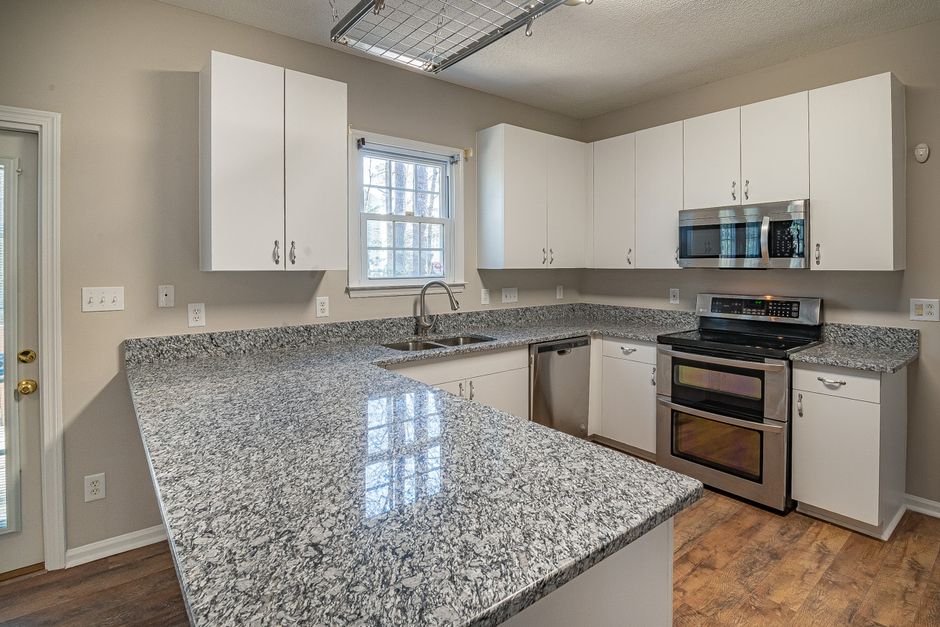
Two slabs cut from the same quarry in the same week can look like different stones once they stand side by side on a rack. That surprises people shopping for granite in Austin, TX, and the variation is simply what the stone is, as the notes at granite countertops austin vicuna chocolate describe.
How does granite form, and why does that cause variation?
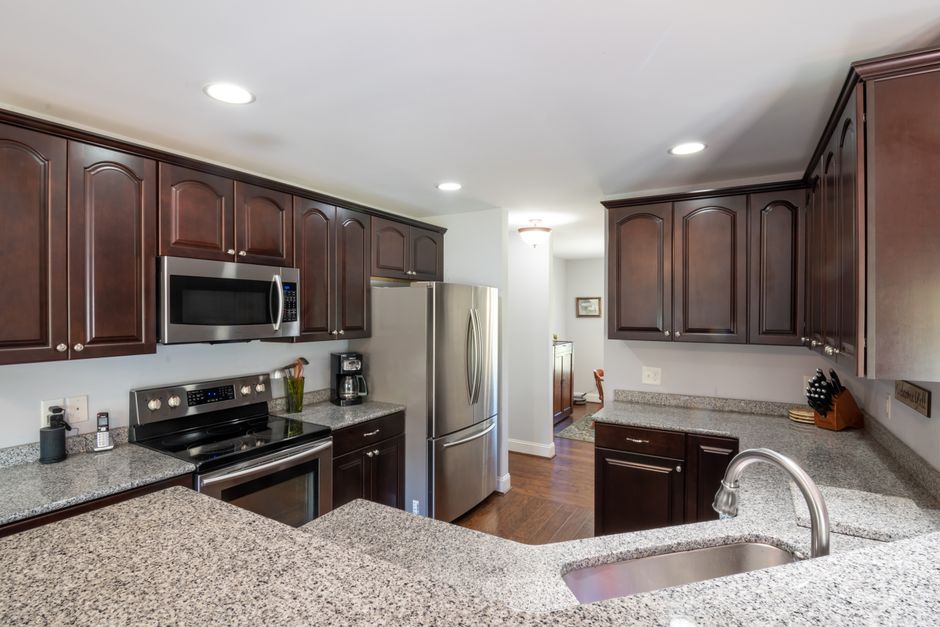
Granite is molten rock that cooled slowly, deep underground, over a span of time too long to picture. Slow cooling lets crystals grow large enough to see with the naked eye: pink or white feldspar, glassy gray quartz and small black flecks of mica. The mix of those minerals changes from one pocket of the magma to the next, so one block of stone runs pinker, another grayer, another heavy with black speckle.
What decides the grain size?
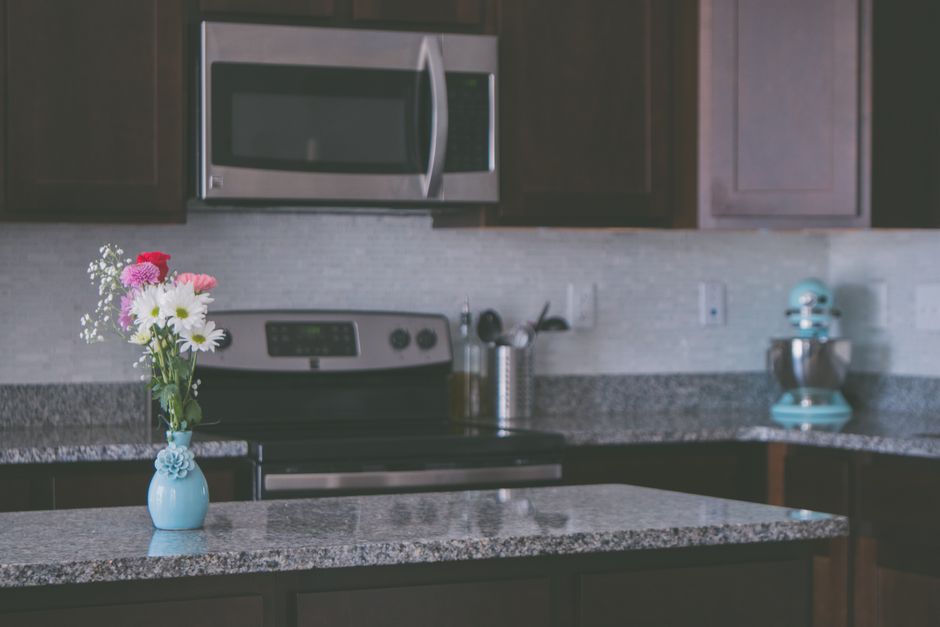
Cooling speed decides it. Near the cold edge of a magma body the rock cooled faster and the grain stays fine. In the slow center the crystals grow as big as a thumbnail. A fine-grained granite reads as nearly one color from across the room. A coarse one reads as busy, with each crystal catching the light on its own. Both are granite, but they behave differently under a polished finish, and the coarse stone is the one more likely to show small pits.
How does Texas pink granite differ from imported stone?
The Texas Hill Country sits partly on the Llano Uplift, an exposed core of very old granite northwest of Austin. The pink granite quarried near Marble Falls went into the Texas State Capitol, and it is a feldspar-heavy stone with scattered dark grains and not much drama in the pattern. Slabs imported for kitchens, from Brazil or India for instance, often carry deep blues, golds and long sweeping movement that Texas stone rarely shows. Neither is better, only different.
Why do the block and the slab number matter?
Slabs are sliced from a block the way slices come off a loaf, so neighbors in sequence match closely and slabs from separate blocks can differ a lot. A kitchen with a long wall run and an island should be laid out from slabs of one block, taken in order, so a seam lands between two pieces that already agree. A remnant from some other block almost never matches an existing counter, which makes it a better fit for a vanity or a small bar top than for an extension.
What should be checked at the slab yard?
Look at the full slab, not a hand sample, and ask for the block number on the tag. Stand back far enough to see the whole pattern, then walk close to check grain size and any dark clusters. Photograph it, since the fabricator lays a digital template of the cabinets over that exact slab.